The City of Red Deer held its 2021 municipal election on October 18, 2021. In addition to a contentious mayoral race, the ongoing pandemic and fluctuating public health regulations created added scrutiny for the election among voters and community members as a whole.
Strategic communications was essential to not only serve to inform voters and prospective candidates of details of the election, but to identify and mitigate risks, support significant changes to the format of the election and develop and deliver engagement to evaluate operations and communications following the election.
As an internal consultant, Melissa served as the communications lead for the project. She conducted thorough research and analysis, developed and implemented all communications strategy and tactics, including materials development and distribution.
Approach
A comprehensive communications strategy informed by extensive research and risk analyses was developed to ensure the election was a success. The project consisted of:
- Extensive research and analysis of election communications trends and what comparable municipalities were doing compared to the City of Red Deer
- Analysis of City’s previous Election communications and their effectiveness, including review of primary research from a survey following the previous election.
- Evaluation of the City’s past communications practices as it related to elections and development of new tools and tactics to deliver enhanced communications.
- Comprehensive SWOT and PESTEL analyses to clearly outline opportunities for communication, identify risks and support development of mitigating strategies.
- Development of a detailed implementation plan to ensure effective communication of the 2021 election.
- Development and delivery of public engagement to gauge voter experience, identify opportunities for growth and improvement in election operations, and to identify and review communications preferences and experiences with the 2021 election.
Deliverables
Comprehensive communications strategy following RACE formula:
- Research including business need, internal and external research. Extensive research and analysis of past election communications, both by the City and comparable municipalities, was used to identify best practices and develop a principled approach to communications.
- Analysis including environmental scan, comprehensive audience breakdown (internal and external), and development of communications goals and objectives.
- Communication including developing multiple sets of key messages, themes and proof points, and a detailed action plan outlining a multi-phased approach to manage issues, connect with affected audiences and educate the general public.
- Evaluation including public engagement to collect direct feedback from voters, candidates and community members, media monitoring, website and social media analysis, review of election data and feedback from customer service staff.
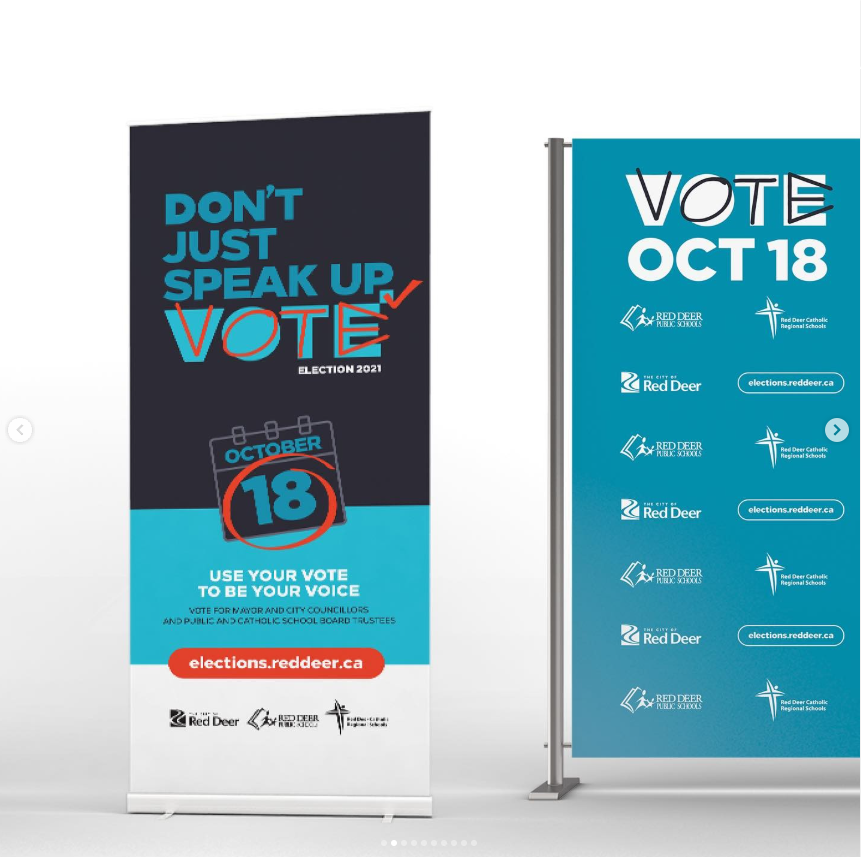
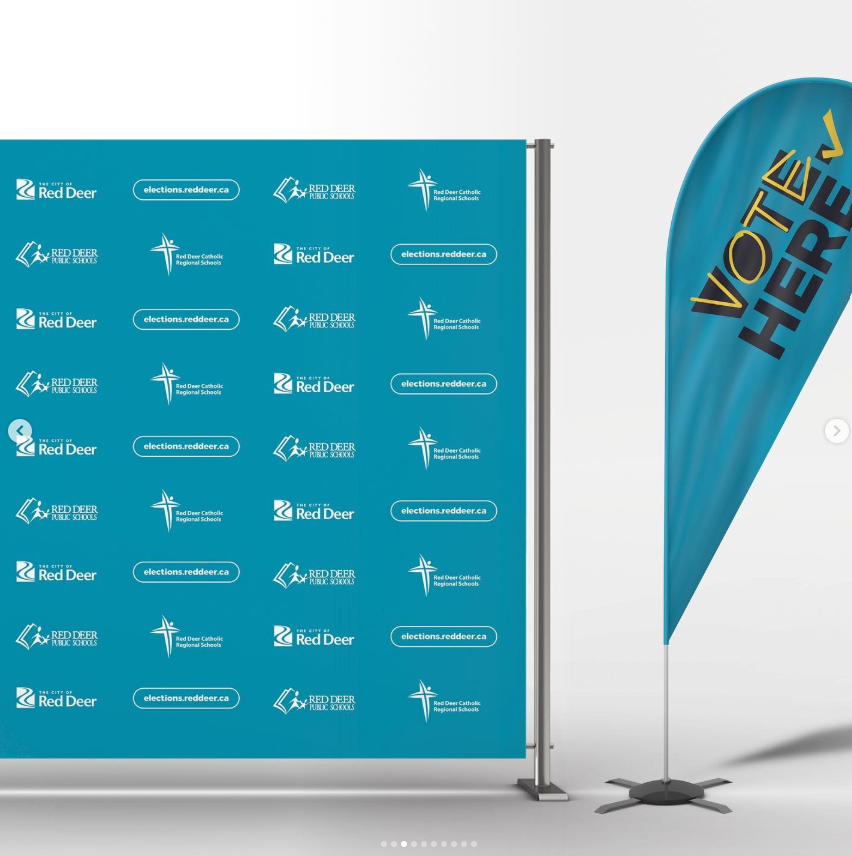
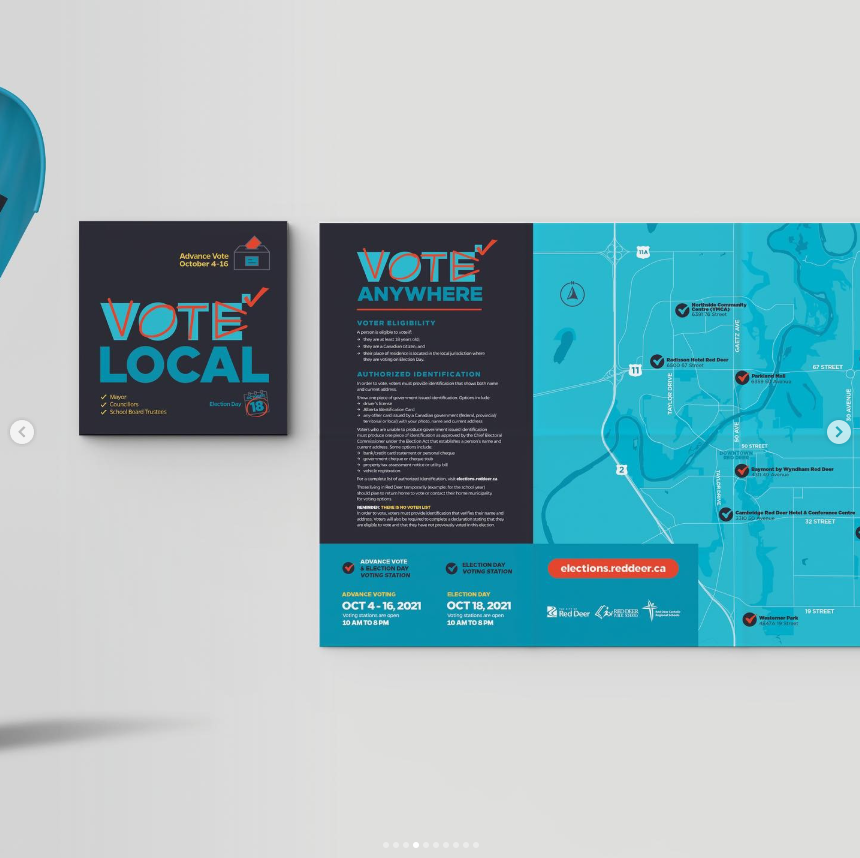
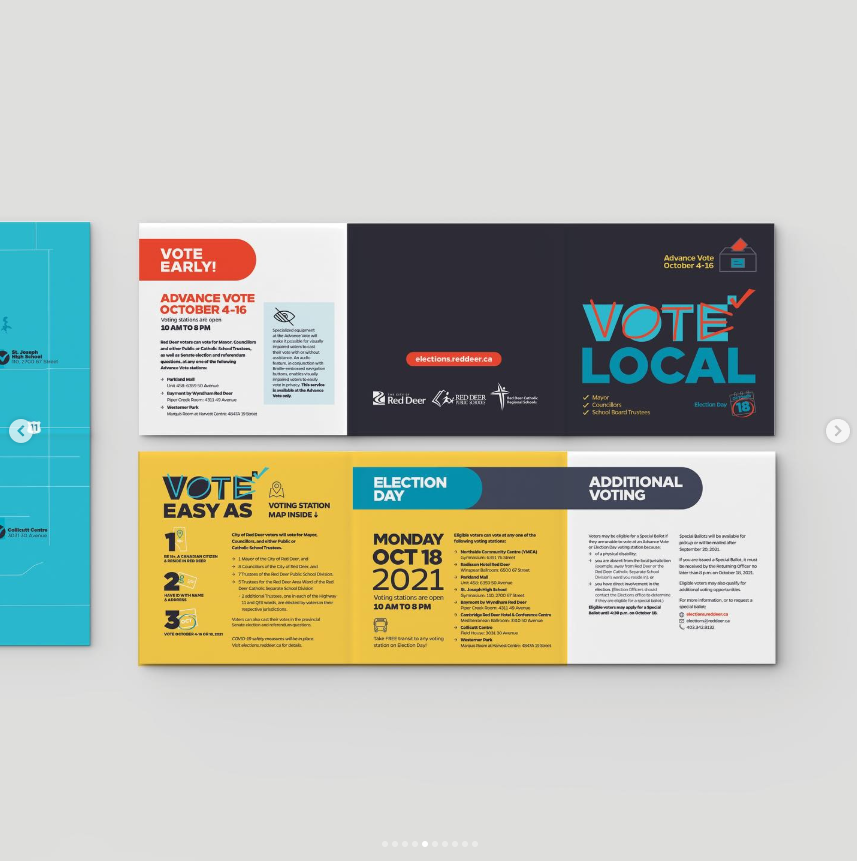
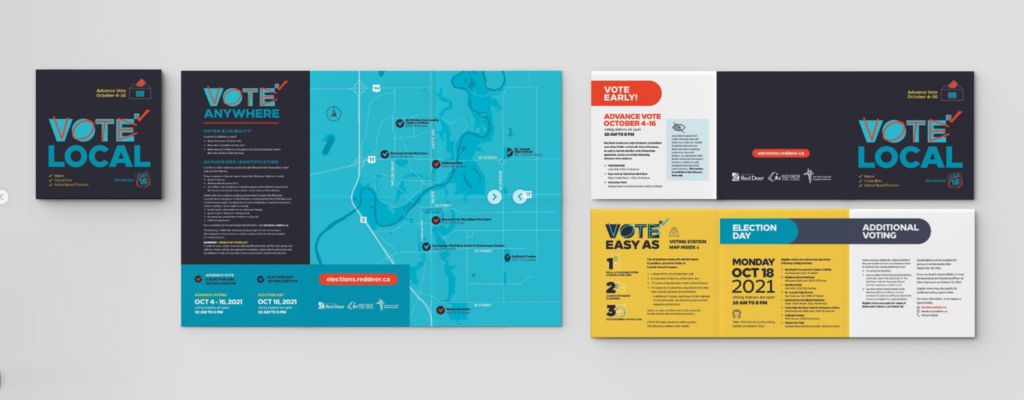
Materials development for varied media and audiences, including but not limited to media releases and media kits, internal and external FAQs, printed materials including rack cards, signage and mail inserts, direct communications to organizational leadership and elected officials, website content, social media content and paid ads for various channels.
Public engagement, informed by IAP2 principles, was developed and executed to gather information about how staff and community members experienced the election, understanding their rational for participating (or not), identifying operational successes and opportunities for improvement, and clarifying community preferences for communication.
Challenges Faced
Comprehensive communications strategy following RACE formula:
- Change management: The ongoing pandemic continued to impact municipal operations and public spaces as public health regulations changed with fluctuations in cases across the province. The City made significant changes to voting opportunities and locations, requiring diligent and thoughtful communications to ensure voters were supportive and informed.
- Issues management: Multiple issues arose during the project which posed a risk to the reputation of the organization and trust in the democratic process of the election. A technical error required a recount of results from multiple voting stations which led to online debate about the validity of results. Additionally, social media comments outlining concerns about an election worker attempting to influence voters led to numerous complaints and an internal investigation. Each issue was managed with careful consideration and planning to maintain the integrity of the election and protect the reputation of the organization.
Outcomes
The project was a success, with improvements to voter turnout and notable increases in participation in advanced voting opportunities, a key goal to reduce crowding on Election Day. New communication practices were met with positive feedback, noting not only improved communication with the public, but enhancements and increased efficiency for staff processes. Evaluation and public engagement identified success in communications, while risk mitigation and crisis communication approaches ensured the City was prepared as issues arose.
Samples
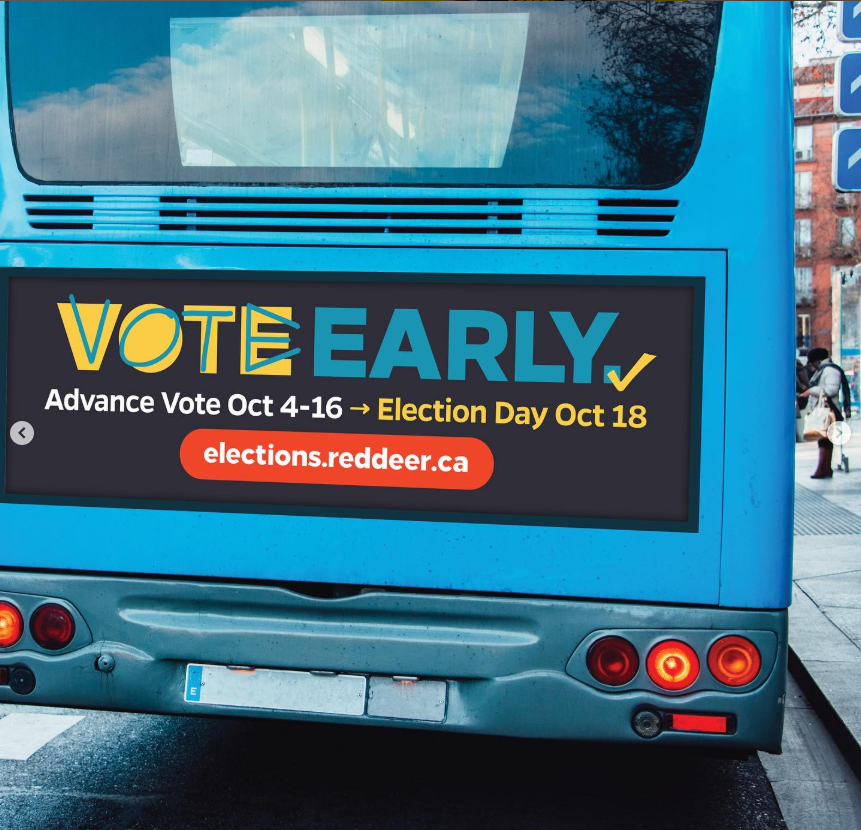
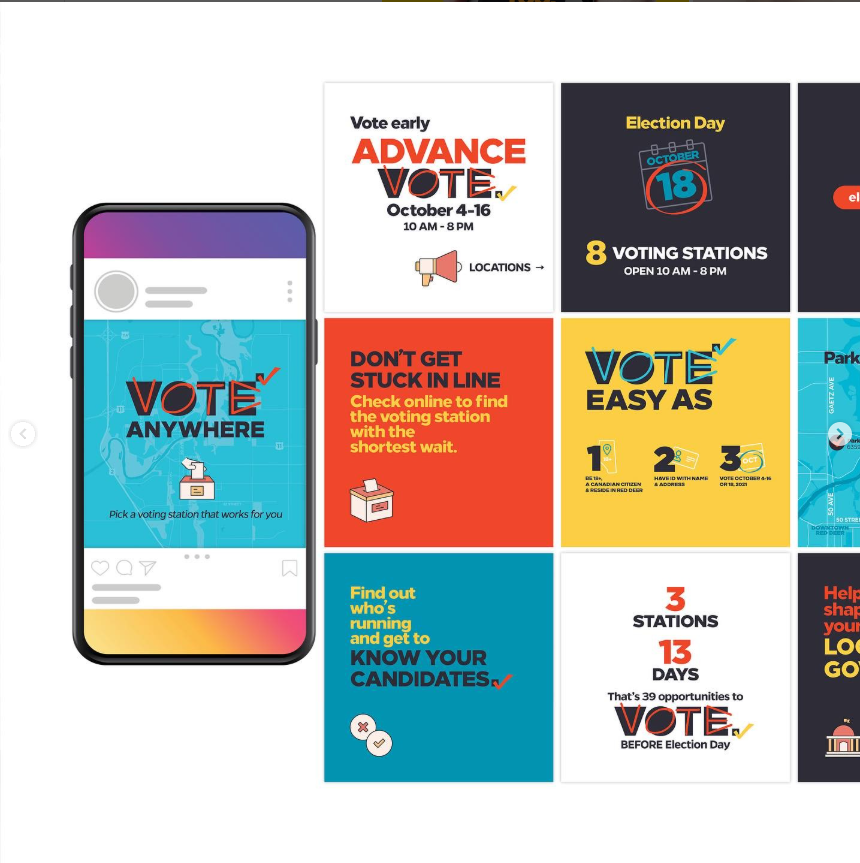
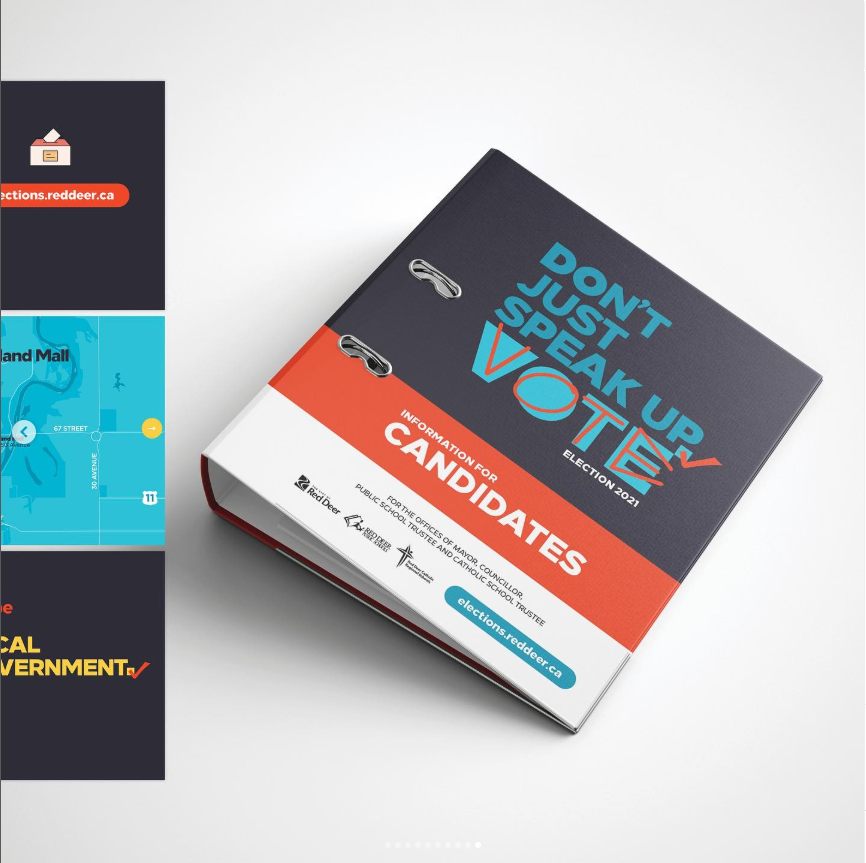
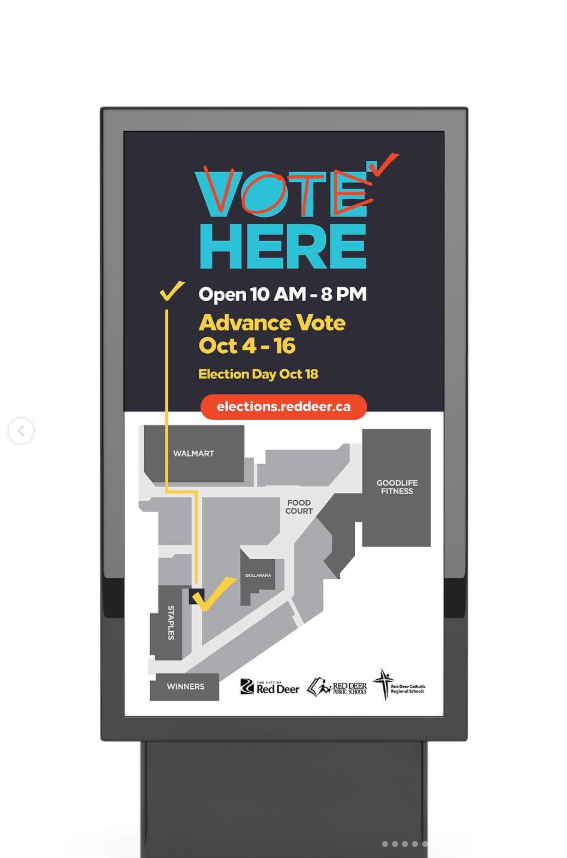
The following images depict samples of materials created to enhance communications and marketing for the municipal election. Melissa selected tactics and developed copy, while materials were designed by Z Design.